
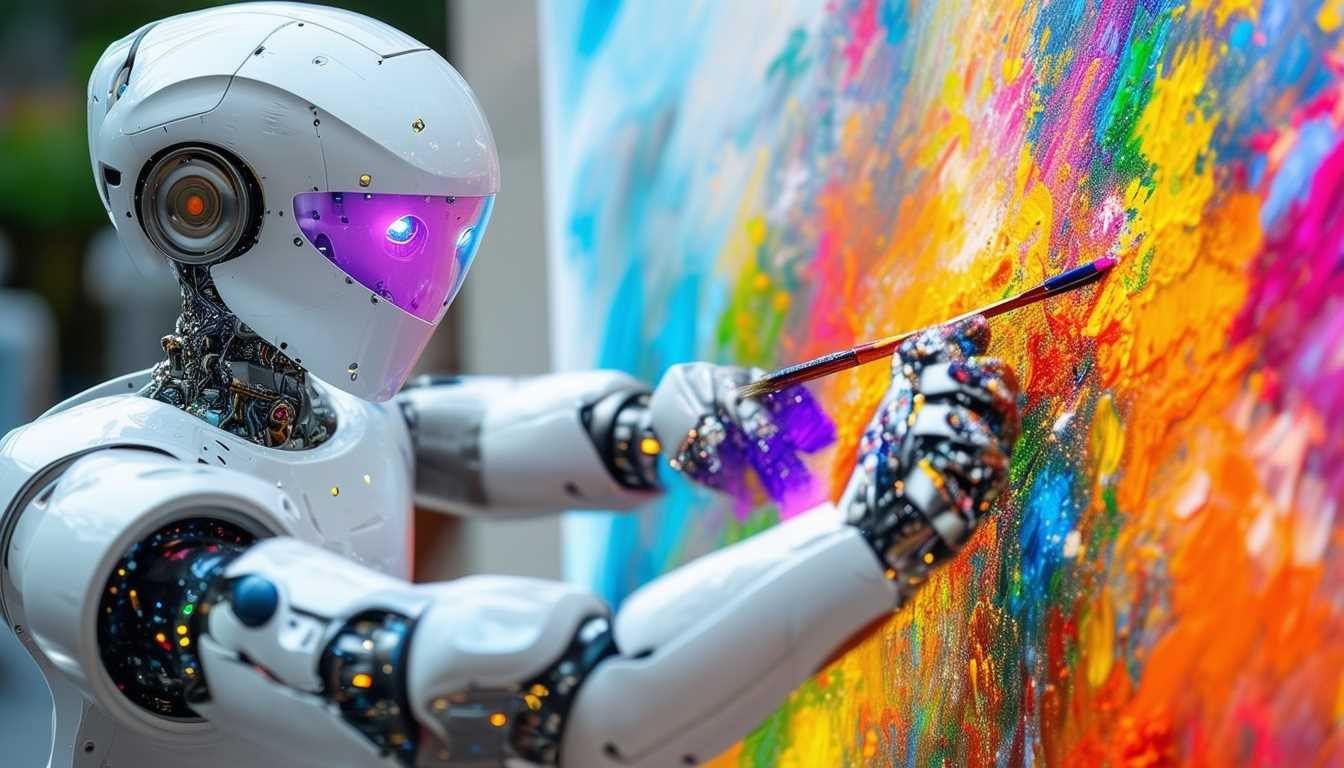
The creative world is evolving at an unprecedented pace, and at the center of this revolution is AI-powered design. In 2025, creative agencies are leveraging artificial intelligence to streamline workflows, enhance creativity, and deliver smarter, faster, and more personalized solutions to clients. As digital demands grow, brands expect more than just good design—they want efficiency, adaptability, and innovation.
At Epsilon X Media, we believe that the fusion of human creativity with AI-powered design tools is the future of branding and content creation. From automated layouts to intelligent design suggestions, AI is no longer a futuristic concept—it’s today’s competitive edge.
What Is AI-Powered Design?
AI-powered design refers to the use of artificial intelligence tools and machine learning algorithms to automate or assist with creative tasks like graphic design, video editing, web design, and content generation. These tools can interpret user behavior, understand branding goals, and produce design outputs based on real-time data and preferences.
Popular tools such as Canva’s Magic Studio, Adobe Firefly, and Looka allow even non-designers to create professional visuals with minimal effort, while experienced creative agencies use AI to optimize workflows and experiment with innovative formats.
Why Creative Agencies Are Embracing AI in 2025
1. Efficiency Through Creative Automation
AI enables designers to skip repetitive tasks like resizing, formatting, or content placement. Creative automation tools save time and reduce errors, allowing designers to focus on strategic thinking and aesthetics.
2. Smarter Branding Innovation
AI algorithms analyze brand data, audience insights, and market trends to provide branding innovation support. This leads to data-driven design decisions, ensuring logos, colors, and messaging are relevant and resonant.
3. Enhanced Personalization at Scale
Creating personalized content for multiple audiences can be resource-intensive. AI helps generate customized versions of ads, banners, and social media posts—making brand engagement more effective and scalable.
4. Increased Speed-to-Market
With AI-powered design, campaigns that once took weeks can now be launched in days. This agility allows creative agencies to quickly respond to trends and client feedback, gaining a competitive edge.
Key AI Design Tools Transforming Agencies
- Adobe Firefly – Generates high-quality images and text effects through natural language prompts.
- Runway ML – Offers video editing with AI, such as removing backgrounds or generating realistic motion graphics.
- Canva AI Suite – Allows automated layout suggestions and Magic Design tools for faster visual creation.
- Figma AI Plugins – Help UX/UI designers generate wireframes and auto-layouts instantly.
- Copy.ai and Jasper – AI writers that help generate headlines, ad copy, and website content.
Each of these tools complements the agency workflow—boosting both digital design trends and creative storytelling.
The Role of AI in Visual Identity Development
When building a brand, the visual identity is critical. AI tools analyze target demographics, color psychology, and visual trends to suggest palettes, typography, and styles that will resonate with specific audiences.
At Epsilon X Media, we integrate AI-based analytics with human creativity to shape identities that are unique, impactful, and memorable. AI ensures consistency across platforms while still allowing space for creative expression.
Impact on Content Creation and Campaign Strategy
AI doesn’t just create designs—it also contributes to smarter content strategy. Platforms can now suggest optimal posting times, predict which creatives will perform best, and even write captions that align with brand tone and voice.
Whether it’s a social campaign, a product launch, or a rebranding initiative, AI helps our team craft a full-cycle creative approach that drives engagement and ROI.
Challenges of AI-Powered Design and How to Overcome Them
While AI-powered design brings efficiency and scalability, it also raises important challenges:
- Creativity vs. Automation:
Over-relying on AI may lead to generic or repetitive design outputs. Agencies must balance machine-generated work with original human creativity. - Loss of Human Touch:
Designs created entirely by AI may lack emotional nuance or cultural context. The best results come from human-AI collaboration. - Learning Curve and Training:
Keeping up with new tools requires ongoing learning. Creative teams must stay updated on AI capabilities and integrate them wisely into workflows.
At Epsilon X Media, we ensure that AI enhances—not replaces—our creativity. We use it as a powerful assistant, while the strategy and soul of each project remain human-led.
How We Can Help You
At Epsilon X Media, we specialize in combining cutting-edge technology with timeless creativity. Our team is equipped with the latest AI-powered design tools to bring your brand to life with speed, style, and precision. Whether you’re looking for a brand refresh, a data-driven campaign, or smart content production, we offer creative automation and strategic expertise tailored to your needs.
From concept to delivery, our human-centered approach ensures every design resonates with your audience—while AI helps us deliver faster, smarter, and better.
Conclusion
AI is no longer a future buzzword—it’s a present-day game changer in the creative industry. AI-powered design is helping agencies like Epsilon X Media scale ideas, experiment with visuals, personalize experiences, and bring fresh momentum to branding and marketing efforts. By embracing creative automation, agencies gain a new level of efficiency and insight without compromising on originality.
As the design landscape continues to evolve, businesses that collaborate with forward-thinking creative agencies will stay ahead. If you’re ready to take your brand to the next level using the power of AI and creativity, we’re here to help you make that leap.
Frequently Asked Questions
1. Can AI replace designers completely?
No, AI can assist designers by automating tasks and suggesting ideas, but creativity, emotion, and storytelling still require human input.
2. How does AI improve brand engagement?
AI tools help personalize content and optimize campaign timing, improving relevance and customer interaction with the brand.
3. What are the risks of AI-powered design?
Risks include generic design output, lack of emotional depth, and over-dependence on automation. Human oversight is essential.
4. Are AI tools suitable for small businesses?
Yes, many AI design tools are affordable and user-friendly, helping small businesses create quality visuals without large teams.5. How do I start integrating AI in my marketing?
Start by using simple AI tools like Canva AI or ChatGPT for design and content assistance, then scale up with a creative agency for complex projects.